Genicular Nerve Injections Are a Safe Adjunct for the Management of Chronic Knee Pain
Largest Prospective Case Series of 5-Needle GNI Worldwide (408 Knees) — British Orthopaedic Association (BOA) Congress, London
1. Background & Clinical Rationale
Genicular nerve injections (GNI) are an emerging tool in the management of painful prosthetic knee joints or in patients with osteoarthritis of a native knee where the patient is not a good surgical candidate. We assess the effectiveness of this treatment modality in the largest prospective case series to date and present results of a unique five-needle technique.
2. Method & 5-Needle Technique
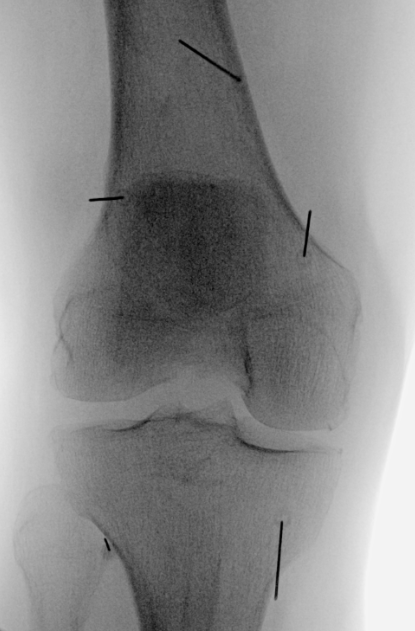
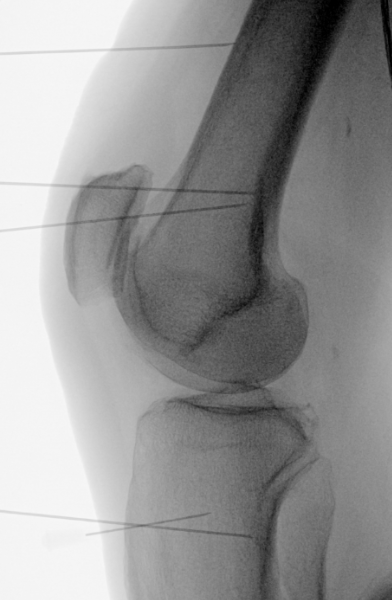
Demographic and outcome data were collected prospectively in our database. GNI was performed by a single surgeon and nurse practitioner over a 7-year period across 408 knees (315 knees analyzed at 6-week follow-up). Under fluoroscopic guidance, five targets were blocked: recurrent fibular nerve (IL), superior lateral genicular nerve (SL), medial retinacular nerve (MR), superior medial genicular nerve (SM), and inferior medial genicular nerve (IM).
3. Clinical Results & High Safety Profile
No significant correlation was found between outcome and patient age, gender, BMI, Kellgren-Lawrence grade, fibromyalgia, or native vs. prosthetic knee. This demonstrates that no patient factors preclude GNI from providing meaningful benefit.
4. Clinical Conclusion
GNI with the 5-needle technique is an effective, safe adjunct for patients who are not surgical candidates, who do not wish to undergo surgery, or who suffer from persistent post-operative pain after knee arthroplasty.